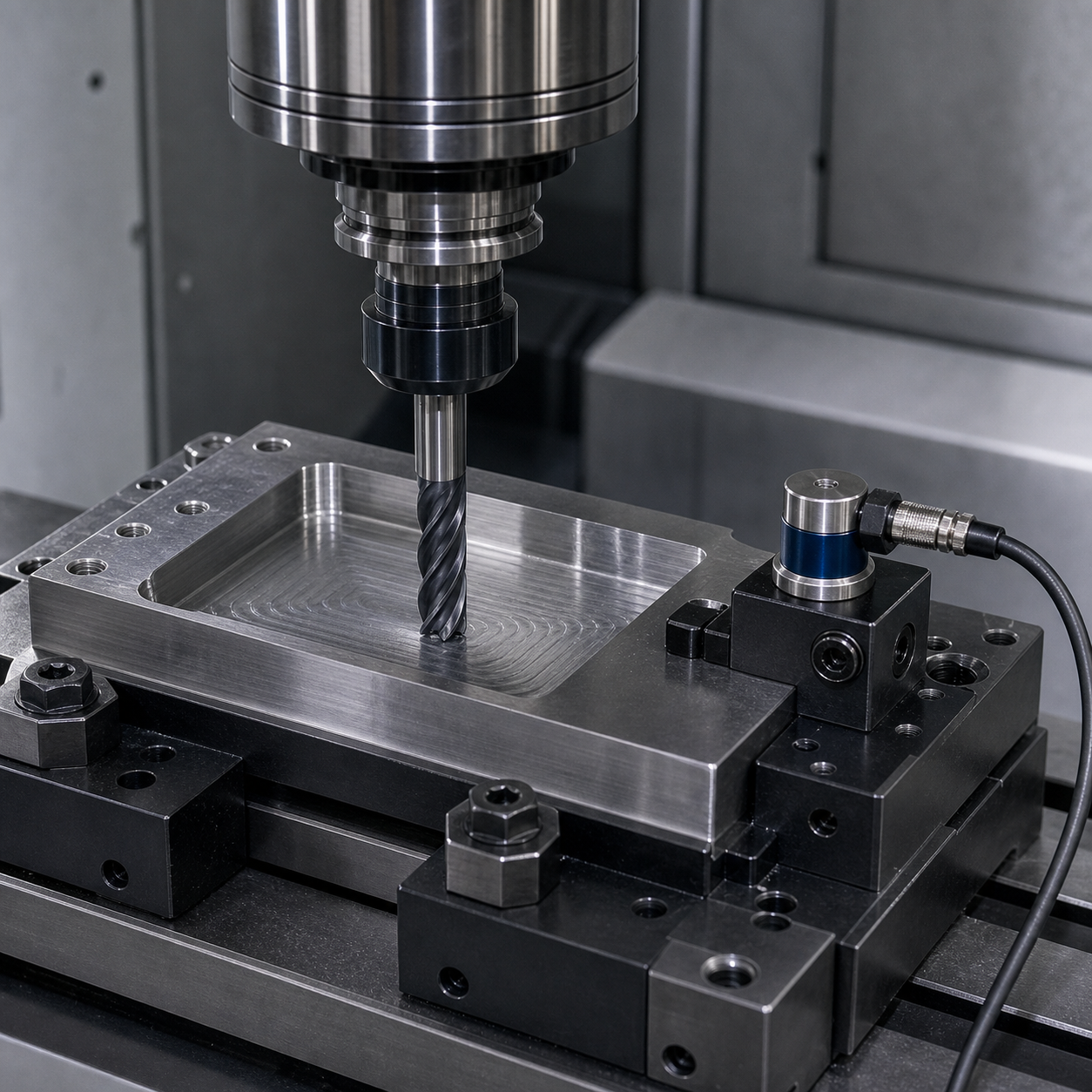
English: Chatter Is a Process Stability Problem
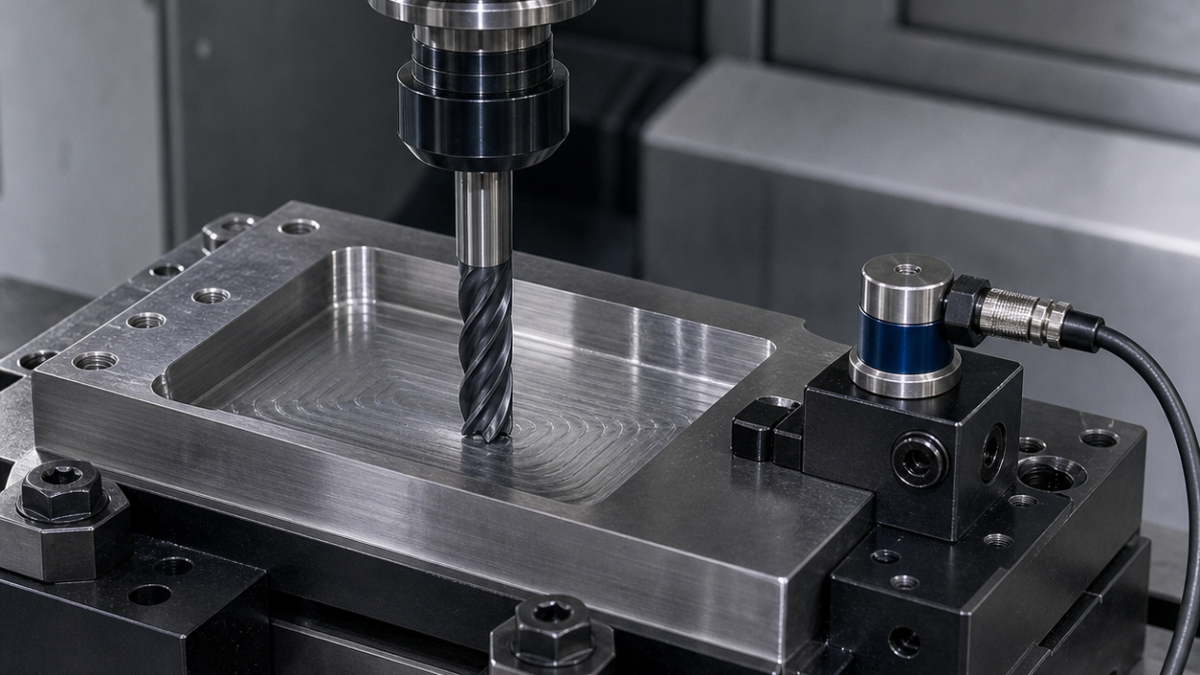
CNC milling chatter is more than an unpleasant sound. It is a sign that the tool, workpiece, holder or machine structure is vibrating during cutting. Chatter marks reduce surface finish, shorten carbide end mill life and can create dimensional variation from part to part. Solving chatter requires looking at the full process, not only lowering speed.
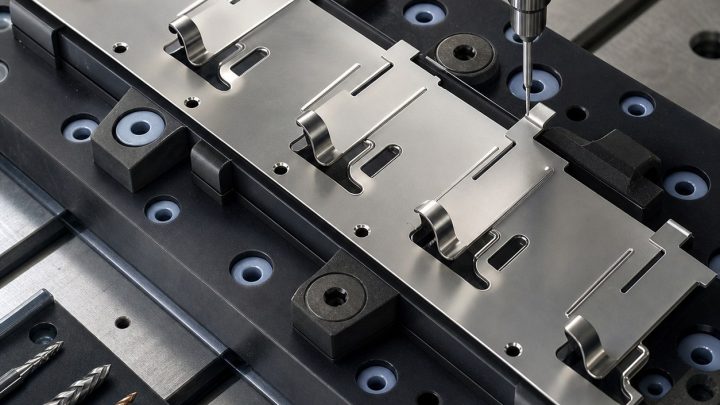
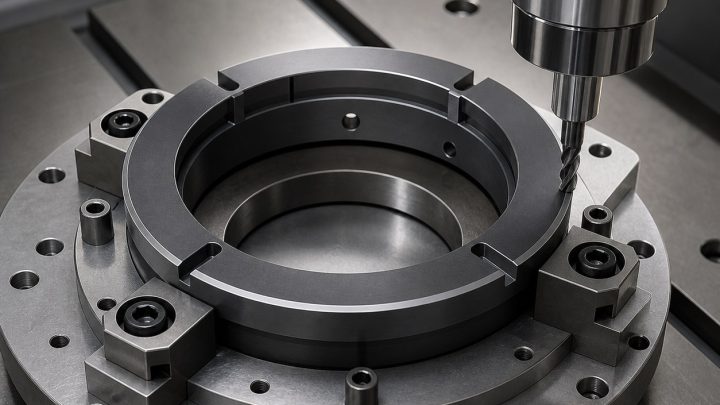
Fixture rigidity is often the first checkpoint. A thin wall, weak clamp or excessive tool overhang can amplify vibration. Toolpath choices also matter. Sudden direction changes, full-slot engagement and heavy corner cutting can overload the tool. Adaptive paths, smoother entries and reduced radial engagement often improve stability.
Steps to reduce chatter
Shorten tool stick-out, improve clamping, check holder runout and adjust spindle speed away from unstable vibration zones. A light finishing pass with consistent engagement can recover surface quality after roughing. Stable chip formation is the goal.