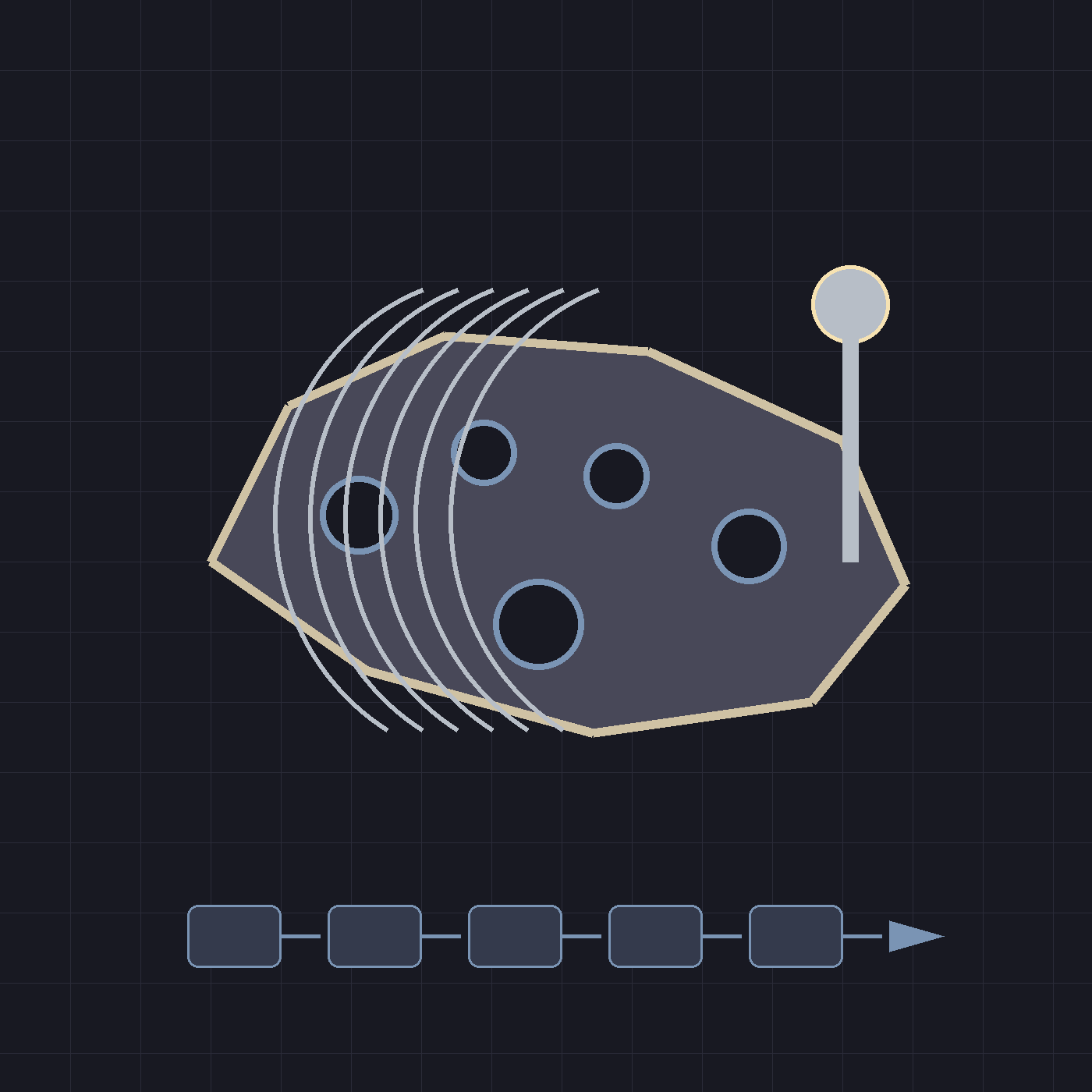
Case basis: This is a realistic hypothetical CNC tooling case for process-planning education, not a verified medical-device manufacturing instruction.
English: Ti-6Al-4V Bone Plate CNC Case: Slotting, Ball-Nose Finishing and Heat Control
Titanium plate drawings require heat-aware tool selection
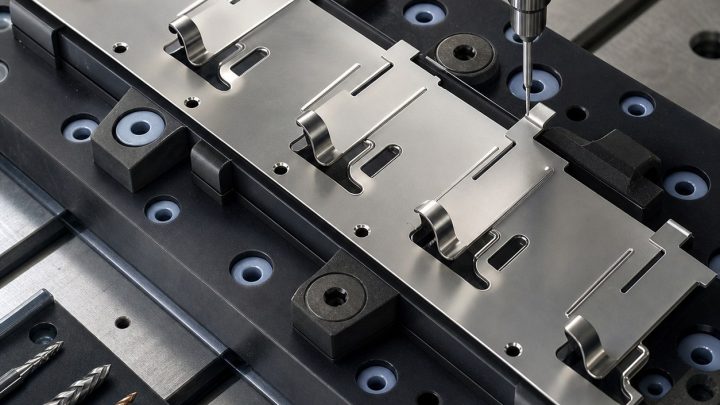
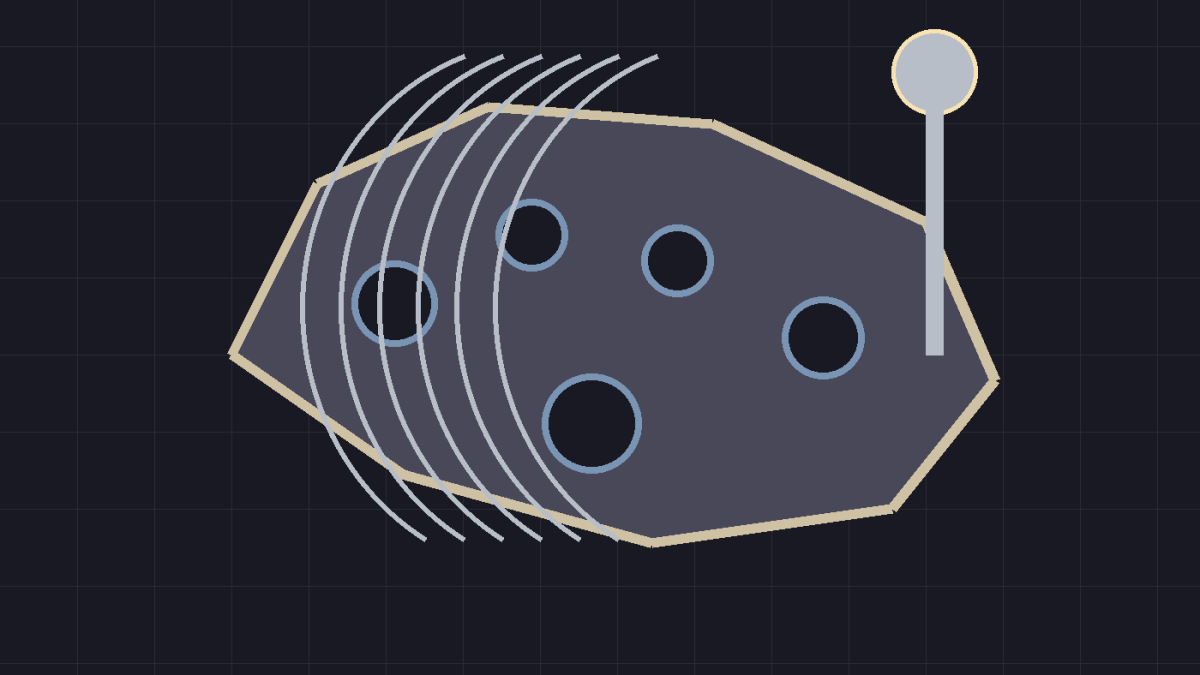
A contoured Ti-6Al-4V plate combines thin edges, multiple slots and a curved top surface. The drawing may emphasize profile accuracy and smooth transitions, but the process planner must also control heat. Titanium does not forgive rubbing, dull edges or excessive tool engagement.
Drawing features that drive tool choice
- Long narrow slots with limited chip evacuation.
- Curved surface blending that benefits from ball-nose finishing.
- Thin perimeter regions that can spring after roughing.
- Small holes near edges where burrs and exit breakout must be controlled.
Tooling and process plan
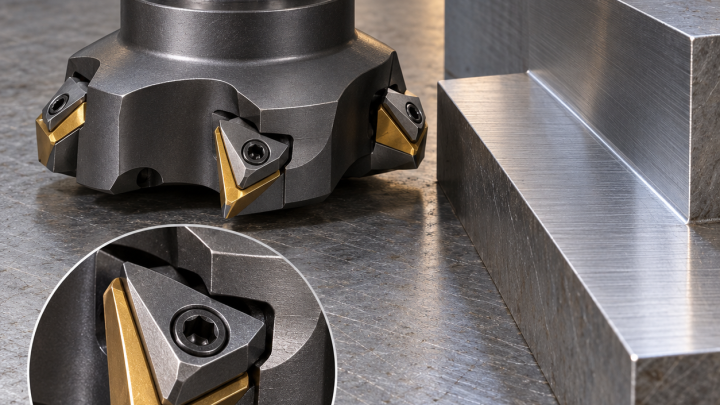
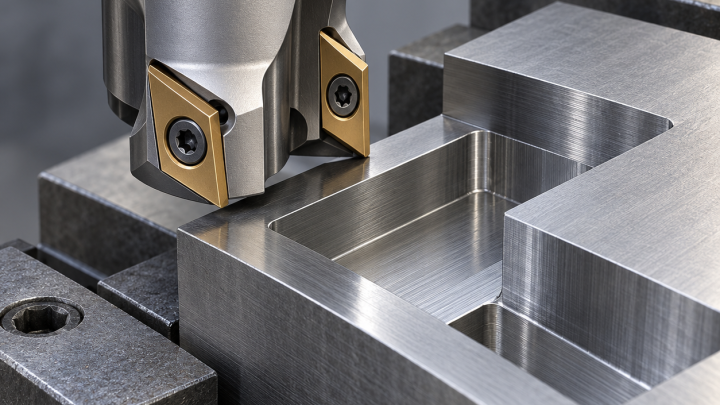
- Use sharp variable-helix carbide end mills with conservative radial engagement for roughing.
- Open slots with peck-style or trochoidal motion rather than one heavy full-width pass.
- Finish the curved top with a coated carbide ball-nose end mill and consistent step-over.
- Use coolant delivery and programmed dwell avoidance to prevent rubbing heat.
Risk controls before production
- Monitor tool wear before the cutting edge turns polished.
- Avoid leaving unsupported thin islands until the final operations.
- Confirm deburring access before choosing slot sequence.
- Validate fixture contact without clamping distortion.
FAQ
- Why not use aggressive feed to reduce heat? Feed helps only if the edge remains engaged correctly; overload can chip the tool.
- Is coating necessary? A suitable titanium coating can help, but geometry and coolant matter more than coating alone.
- Can ball-nose finishing remove all roughing marks? It can, if step-over and remaining stock are controlled.