
Case basis: This is a realistic hypothetical CNC tooling case for process-planning education, not a verified customer project.
English: 316L Sanitary Valve Body CNC Case: Hygienic Bore Finish, Thread Milling and Seal-Face Strategy
A sanitary valve body is won or lost at the bore and seal face
A 316L sanitary valve body may contain flange faces, internal bores, threaded ports and sealing surfaces. The drawing may call out smooth internal transitions and clean sealing faces. Tooling should reduce work hardening, prevent torn stainless edges and protect the final surface from secondary operations.
Drawing features that drive tool choice
- Hygienic bore with smooth transition expectations.
- Threaded side ports that can distort if drilled and tapped too aggressively.
- Seal face that must remain protected after finishing.
- Austenitic stainless chip control problem during deep boring.
Tooling and process plan
- Rough bores with a stable boring strategy and leave enough stock for a controlled finish pass.
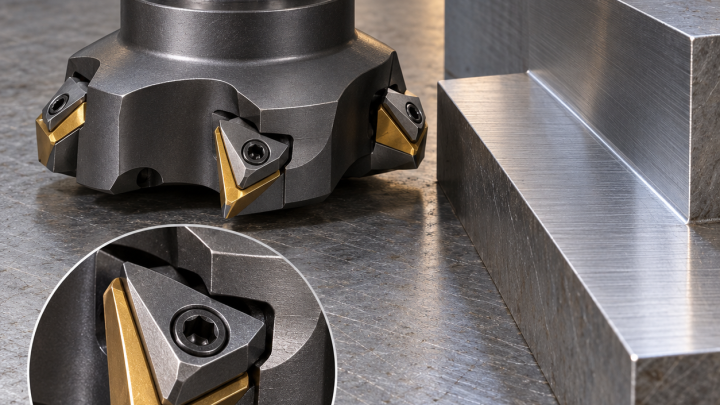
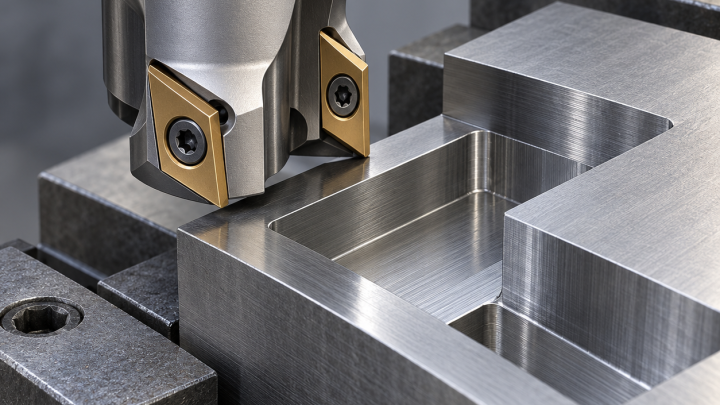
- Use carbide end mills with stainless-appropriate coating for port interpolation and face preparation.
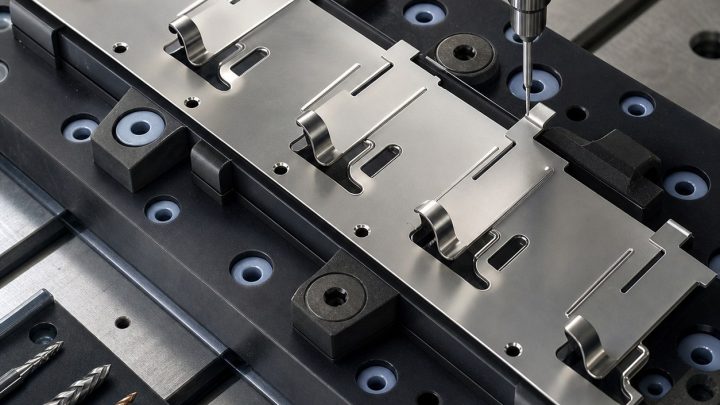
- Thread mill side ports to reduce tapping torque and improve control in 316L.
- Finish seal faces late, then protect them from chip dragging and clamp contact.
Risk controls before production
- Avoid dwell marks in the bore and at the seal face.
- Use chip breaking and coolant direction to prevent recutting stainless chips.
- Confirm thread gauge fit without forcing a tap through work-hardened material.
- Separate deburring tools from final sealing operations.
FAQ
- Why thread mill instead of tap? Thread milling lowers torque and gives better control in stainless ports.
- When should the seal face be finished? Late in the process, after heavy cutting is complete.
- What causes poor bore finish in 316L? Rubbing, recut chips and unstable boring are common causes.