English: Reading End Mill Wear Before Failure
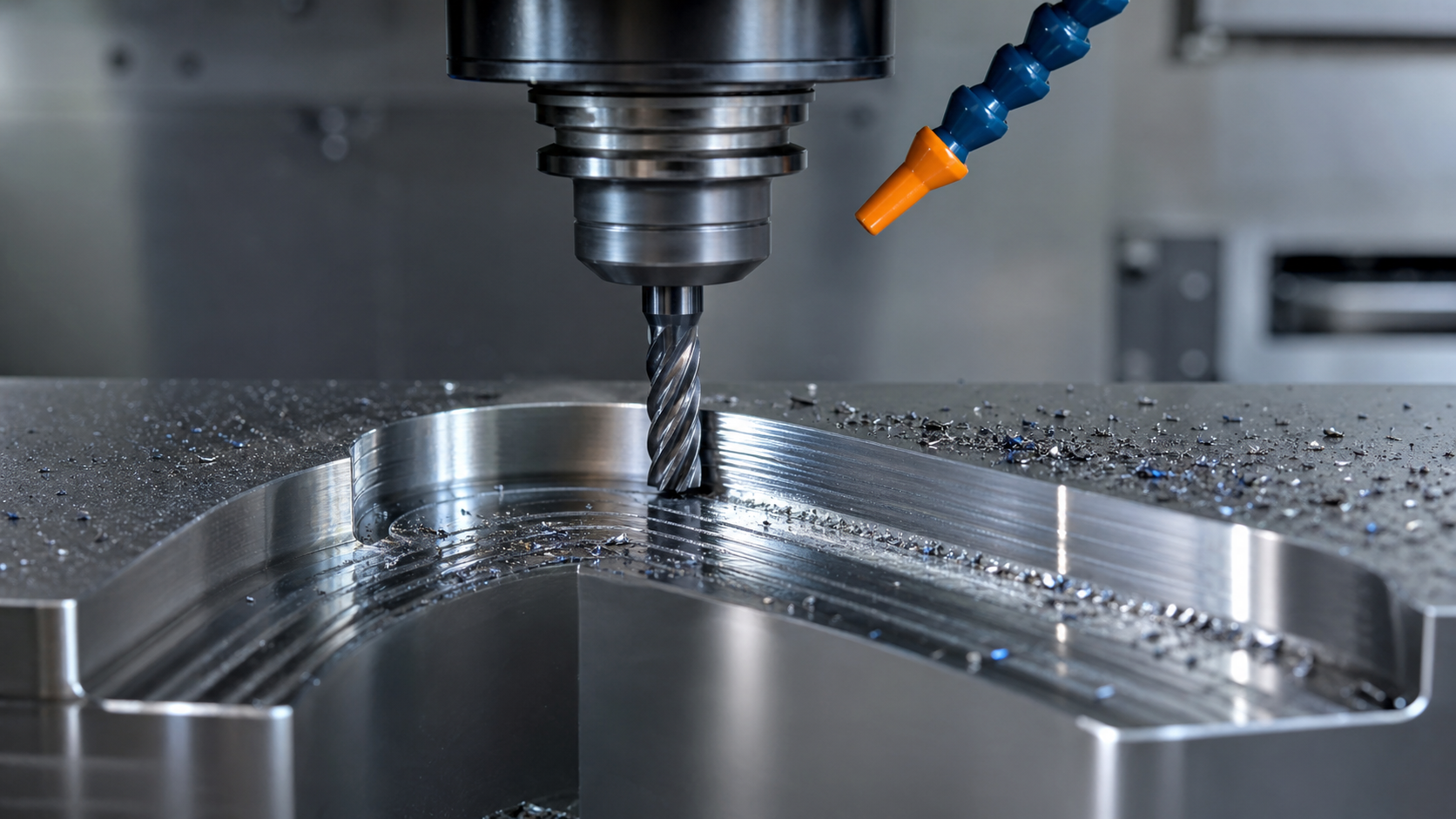
CNC tool wear diagnosis helps machining operators solve problems before a carbide end mill breaks. Wear patterns show whether the cutting speed, feed rate, coolant strategy or tool geometry is suitable for the material. By checking the cutting edge regularly, shops can reduce scrap, protect spindles and improve process stability.
Flank wear usually indicates normal tool life progression, but rapid flank wear may mean cutting speed is too high or the coating is not suitable. Chipping often points to vibration, unstable clamping, interrupted cutting or excessive feed per tooth. Built-up edge is common in aluminum and softer materials when chips stick to the edge and damage surface finish.
How to improve tool life
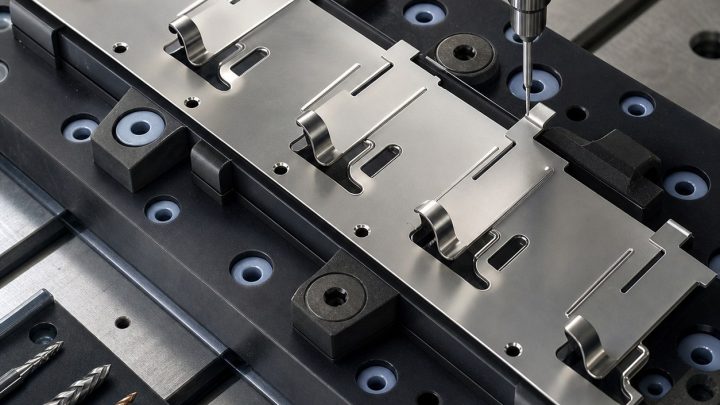
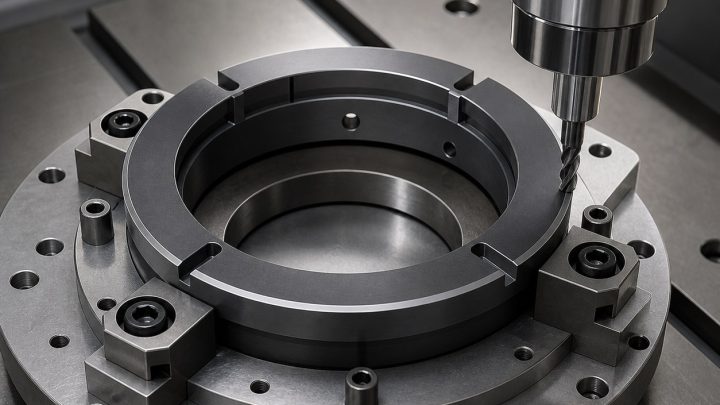
Start with a stable setup, short tool overhang and correct holder runout. Then adjust feed, speed, radial engagement and coolant. A small parameter change can often prevent premature carbide end mill failure and make CNC machining more predictable.