English: Why Trochoidal Milling Matters in CNC Machining
Trochoidal milling is a high-efficiency CNC machining strategy that keeps cutter engagement more consistent than traditional slotting. Instead of forcing the carbide end mill through a full-width cut, the tool follows a controlled circular or adaptive path. This reduces heat, lowers cutting force and helps the cutting edge stay sharper for longer production runs.
For carbide end mills, stable chip load is essential. When radial engagement is predictable, programmers can increase feed rate while protecting the tool from sudden overload. The result is better machining stability, improved surface finish and longer tool life, especially in steel, stainless steel and difficult materials.
Practical setup tips
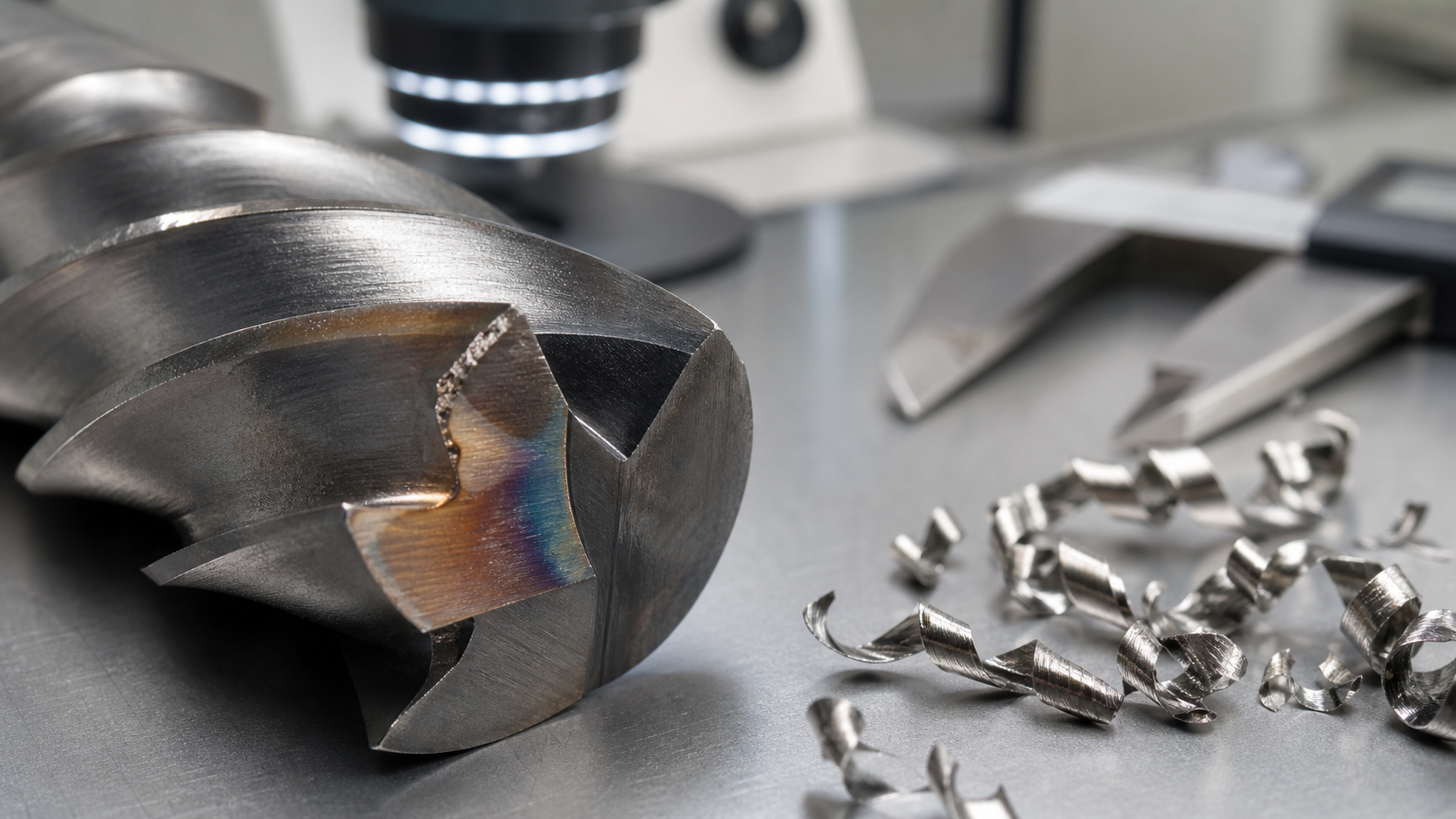
Use a rigid tool holder, avoid excessive stick-out and select a coating suitable for the workpiece material. Operators should monitor chip color, spindle load and vibration during the first part. If chips become too hot or powder-like, reduce engagement or adjust feed per tooth. A correct coolant or air-blast strategy also improves chip evacuation and protects the carbide milling cutter.